
Hope City desires to bring hope, transformation, and restoration to the lives of children and youth in Shasta County through the means of mentoring. "

Youth Mentoring
Mentors are statistically proven to reduce the chance of youth using illegal drugs, and improve the likelihood that they will engage in healthy activities like sports and other extracurricular activities. Studies have also shown that the strongest benefit from mentoring is a reduction in depressive symptoms.
If your child or youth enters the Hope City Mentoring Program, they will spend 1-2 hours each week with a healthy, positive adult who has gone through a thorough application process, including training and a background check. They will focus on relationship building, encouraging them, giving them advice and being a strong emotional support in their lives.
If your child or youth enters the Hope City Mentoring Program, they will spend 1-2 hours each week with a healthy, positive adult who has gone through a thorough application process, including training and a background check. They will focus on relationship building, encouraging them, giving them advice and being a strong emotional support in their lives.
Interested in receiving 1-1 youth mentoring?
Interested in becoming a youth mentor?
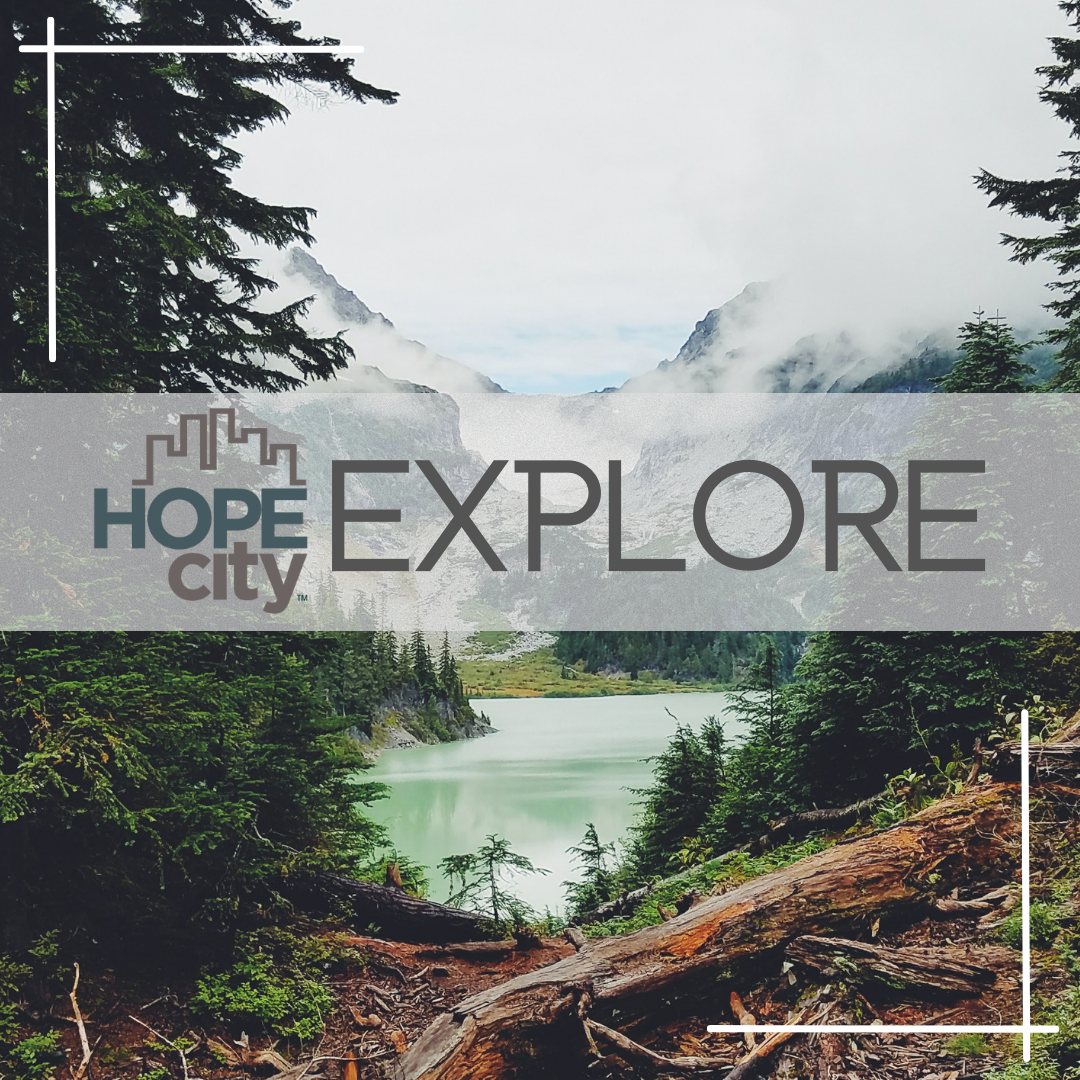
Hope City's Explore program is an optional 6-weekly outdoor group event, which allows youth who're enrolled in our 1-1 mentoring program the chance to experience the great outdoors alongside their mentor and peers.
Activities range from learning how to safely build a fire, to shelter building competitions, to snowshoeing, hiking, kayaking and fishing. They are designed to enable at-risk youth the opportunity to learn practical outdoor skills and healthy coping mechanisms in the therapy of nature.
Activities range from learning how to safely build a fire, to shelter building competitions, to snowshoeing, hiking, kayaking and fishing. They are designed to enable at-risk youth the opportunity to learn practical outdoor skills and healthy coping mechanisms in the therapy of nature.